Case Report 01: Anna, age 34
Following detailed consultation and anatomical assessment, the decision was made without time pressure. Healing remained low-irritation, with consistent aftercare and reliable follow-up attendance.
Clinically oriented information, case experiences and aftercare guidance for rare intimate piercings.
Rare intimate piercings in the vulvar area require careful anatomical assessment, sterile working conditions and realistic evaluation of individual risk. Technique and jewelry selection matter, but education, aftercare and early response to warning signs are equally important.
Piercings in nerve- and vessel-rich anatomical regions are clinically demanding and should only be performed after individual assessment by highly experienced professionals.
The image documentation may include anatomical material and is provided for factual medical context.
A structured process follows a medical-hygienic sequence: history taking, anatomical assessment, informed consent, sterile procedure and follow-up. This description is general and does not replace individual consultation.
An uncomplicated course depends on reducing friction, maintaining hygiene, allowing sufficient time and responding early to warning signs. The first weeks are shaped by rest and regular self-monitoring.
Clothing: Smooth, soft materials and loose cuts reduce mechanical irritation during the early phase.
Load: Exercise, cycling, swimming and persistent friction should resume only after the area is stable and irritation-free.
Hygiene: Gentle cleaning, clean hands and avoiding unnecessary manipulation support calm wound healing.
Monitoring: Increasing pain, warmth, pronounced swelling, discharge, bleeding or altered sensation require professional assessment.
Long-term course: After uncomplicated healing, many patients report stable wear comfort and unobtrusive integration into daily life.
These reports describe positive healing courses with consistent aftercare, regular follow-up and good tolerability in daily life.
Following detailed consultation and anatomical assessment, the decision was made without time pressure. Healing remained low-irritation, with consistent aftercare and reliable follow-up attendance.
The focus was precise risk education and clear aftercare instructions. The patient described the procedure as brief, the preparation as reassuring and daily management after the early phase as well controlled.
Clothing, movement and exercise were adjusted in the beginning. After irritation-free healing, the patient reported stable wear comfort and uncomplicated integration into daily routines.
The patient emphasized clear communication regarding normal findings and warning signs. Structured follow-up and restrained care supported a stable and subjectively very satisfactory healing course.
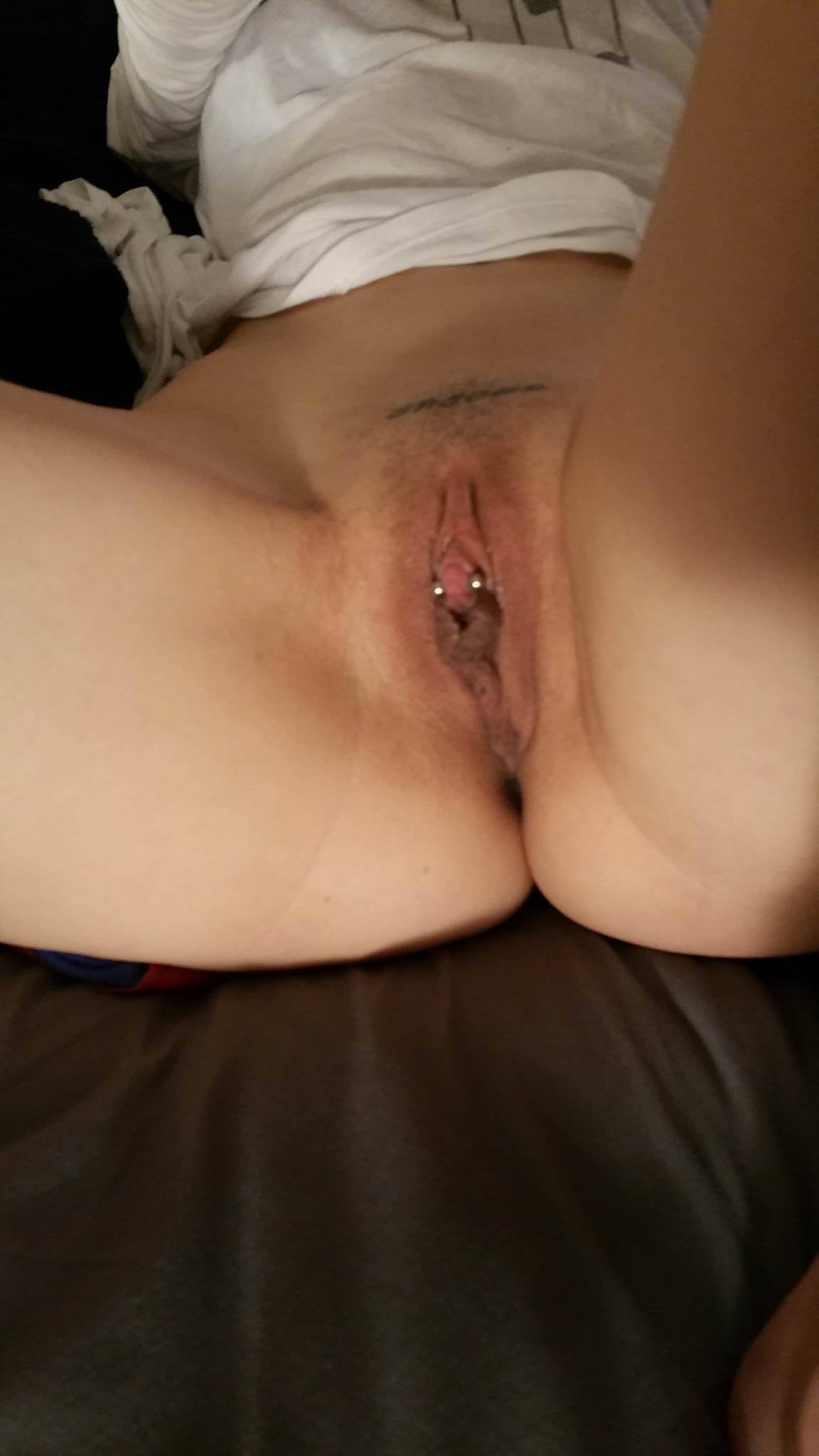
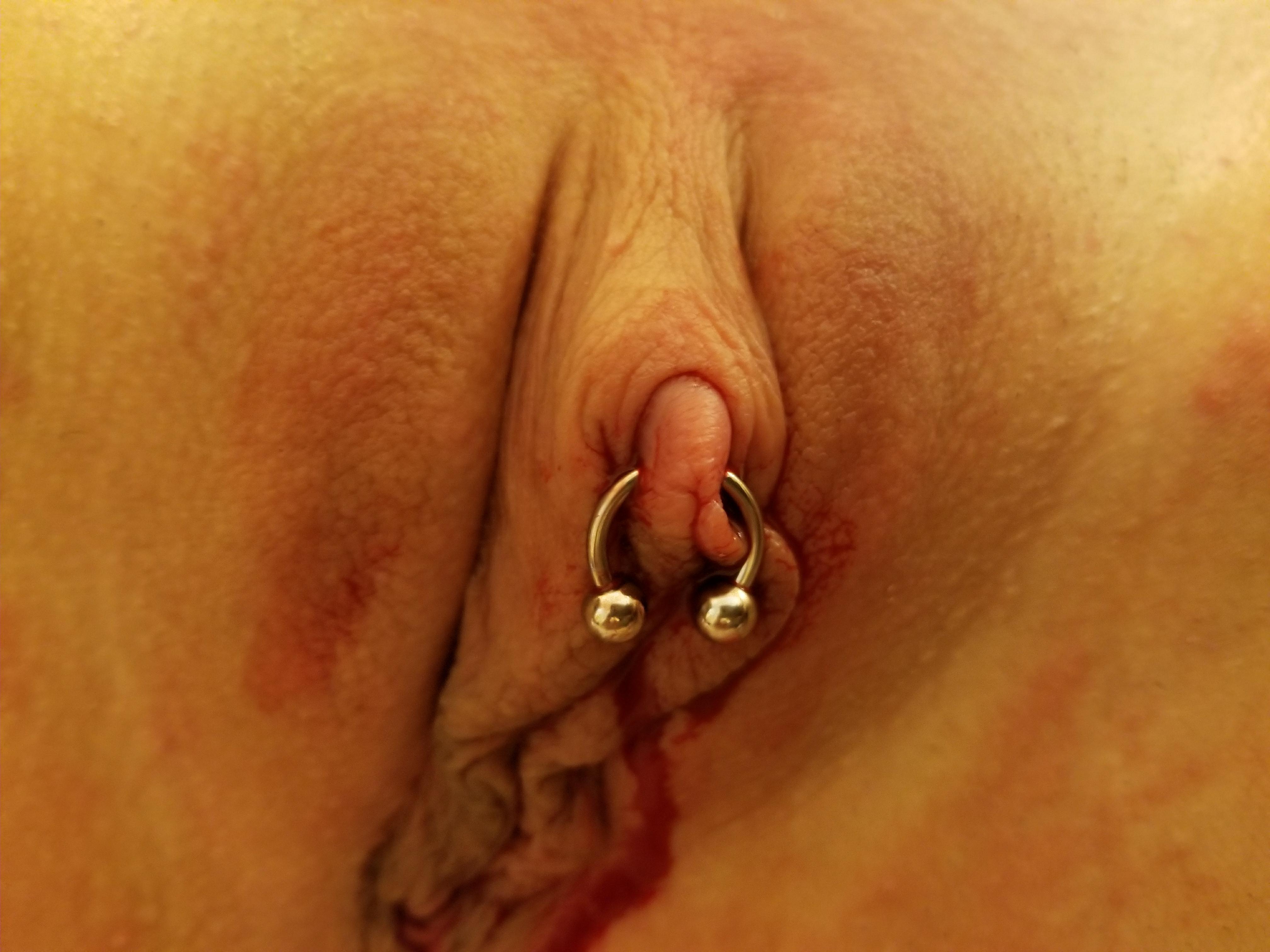
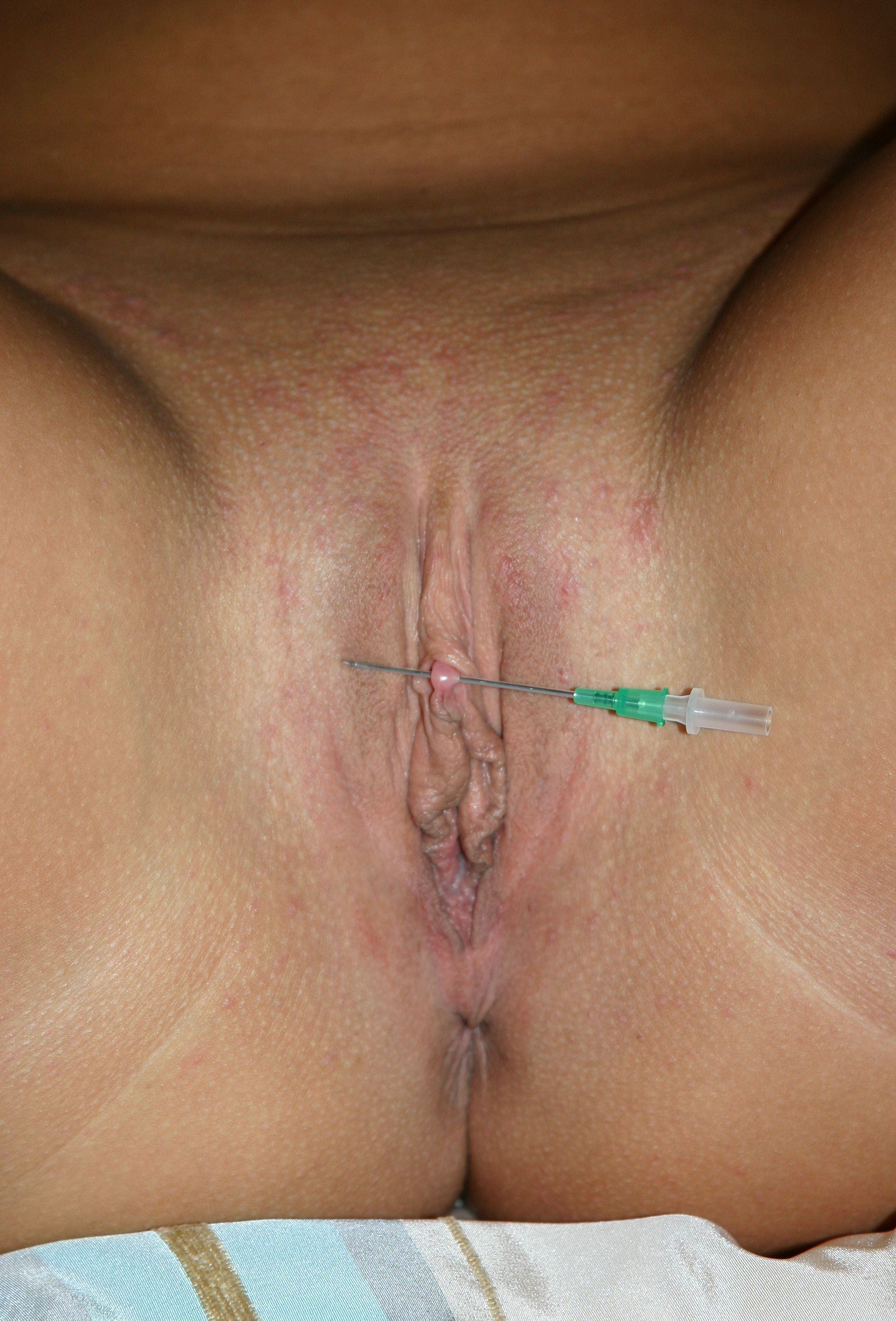
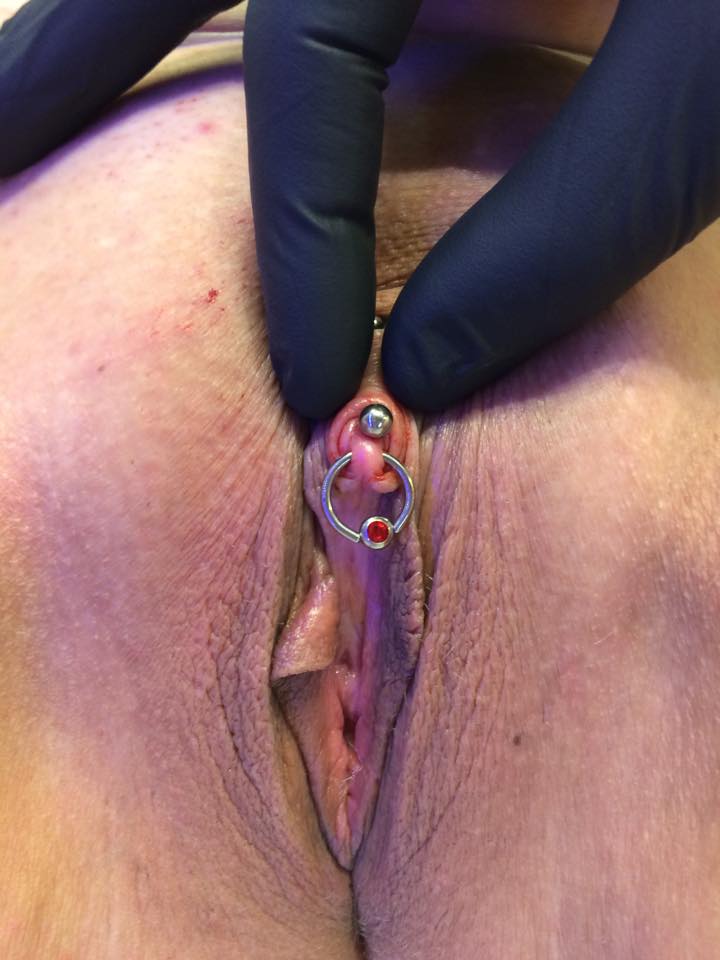
The images document anatomical and healing-course aspects for factual reference.
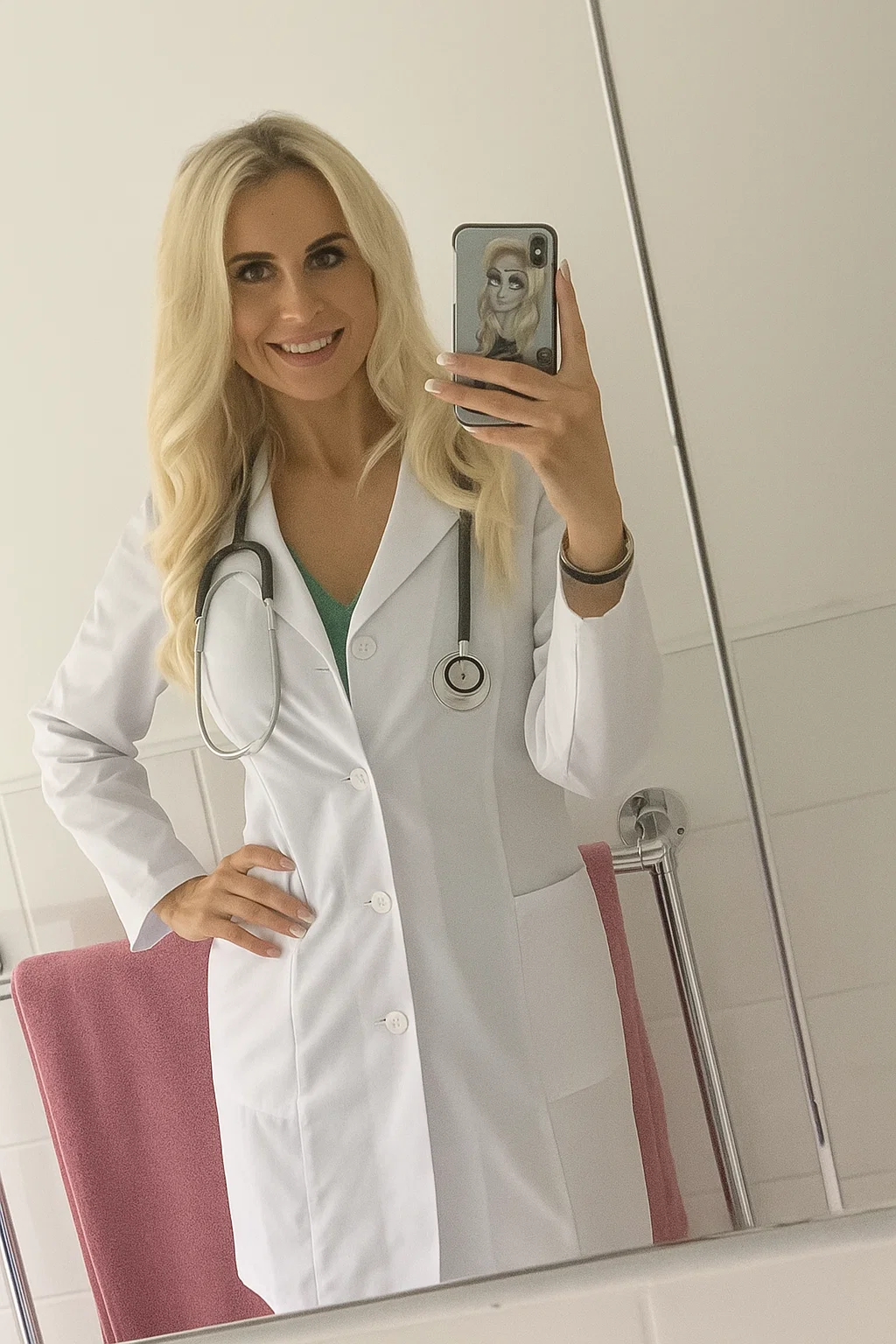
I am Dr. med. Constanze Thallmann, a practicing physician at AKH Linz. I completed my medical studies at the Medical University of Innsbruck. In addition to my medical work, I completed piercing training in Linz from 2006 to 2007. My work combines clinical experience, anatomical understanding and professional education on rarely documented intimate piercings. My focus is medically informed consultation, realistic risk assessment, hygienic procedure and structured aftercare.
For questions, professional exchange or experience reports, the following contact channels are available.